
9 sketching tips to help you make your first drawing
- artstudioangela

- Feb 11, 2020
- 3 min read
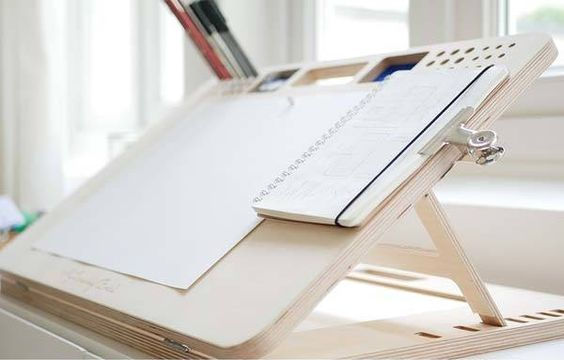
If drawing is something that has always attracted you, but your lack of experience has prevented you from drawing a successful drawing as you see all over the internet and social media, there is no need to panic, drawing is something that you learn through practicing and basic knowledge. Here are some tips that you'll find helpful in the beginning.
01. Know your pencils

Having the right pencil for your sketch is essential. The hardness of the graphite is indicated on the side of the pencil: 'B' pencils are softer, 'H' are harder, and 'HB' sits in the middle – there's a big difference between a 4H and a 4B. I recommend starting somewhere on the H scale as a foundation and then finishing with the darker B scale.
When you're learning how to draw, it's also worth considering using mechanical pencils alongside traditional ones.

02. Take control of your pencil
If you position your hand closer to the end of the pencil, you have more control and precision, but heavier strokes (darker markings). Gripping further up the pencil will give you less control and precision, but lighter strokes (lighter markings).

03. Try different mark-making methods
There are plenty of sketching techniques to help you achieve different styles and effects. It’s important to experiment and find what works best for you, to not only complement but enhance your style. While I prefer smoother value transitions with the pencil strokes blending in against a thin outline, you may be more partial to cross-hatching against a bold outline.

04. Vary your lines
Use varied lines. Not all lines are equal. Subtle shifts in the width and darkness of your lines will create a dynamic, visually interesting drawing. Controlling the kind of mark you put down can be tricky in the beginning, but with practice you will be able to create a variety of marks that work together to make a cohesive image. Experiment with different pencil grades (from 3H to 6B) and with holding the pencil at different angles.
05. Avoid smudging
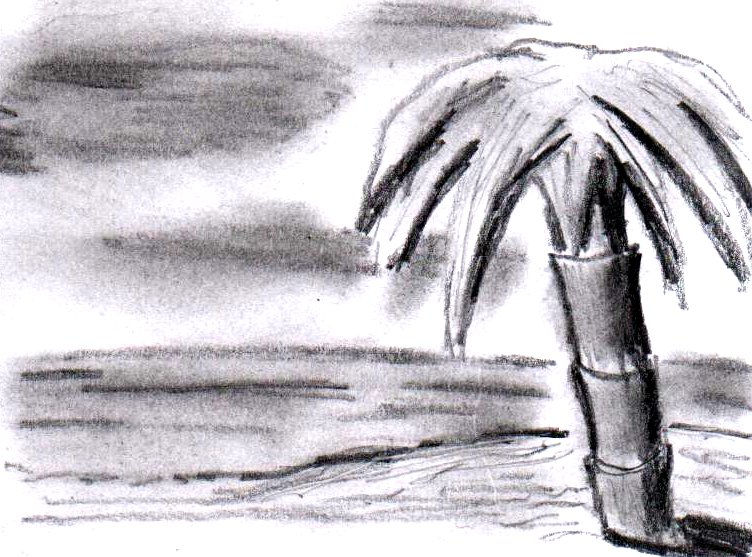
When shading, use an extra piece of paper underneath your hand. This will minimise the amount your hand smudges your pencil lines. If you're right-handed, start shading from left to right; if you're left-handed, start at the right and move to the left.
There's nothing more frustrating than trying to make a clean-looking drawing that loses its brilliance and value thanks to smudging.
06. Control your edges
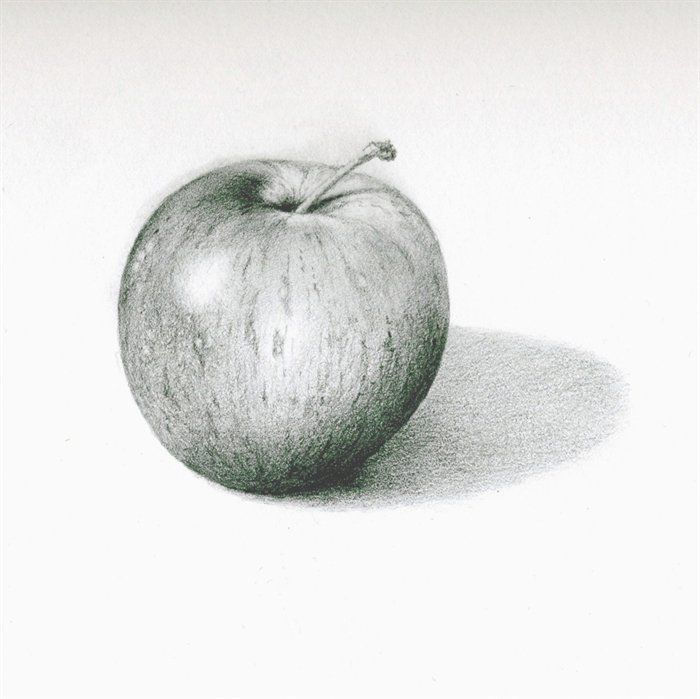
Use four different sketching techniques to define object edges: thin, hard, lost and undefined. A thin and hard edges give objects solid borders. Lost edges occur when the object and background values start to blend together, so the edge is implied rather than defined. Undefined edges need to be deciphered by the viewer themselves. Explore all four types, and combining them to create interest within your work.

07.Use a blending stick for smooth shading
It is possible to create smooth, blended effects using pencils – for example, to capture a sky. Sometimes it's preferable for your shading to be less sketchy and more smooth and subtle. Pencil lines don't blend perfectly unless you're very careful.
To avoid your initial scribbles showing through, use a particular art technique. Use spare paper to doodle a big swatch of soft graphite or charcoal pencil, then use a large blending stick to pick up the soft dust to use for your image. Keep using the blending stick and adding more scribbles as you need more graphite. You can then build up darker areas to create definition.

08. Apply the 70/30 rule
Less can be more! The 70/30 rule helps you create effective compositions. The idea is that 30 per cent of your sketch is filled with the main focus and detail, and the remaining 70 per cent is filler. This less interesting area helps direct attention towards the main subject of your artwork.
10. Different textures
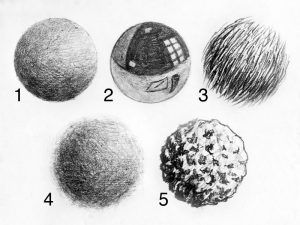
To show different textures within your sketch, you need to adjust your technique. You wouldn’t want to shade skin the same way you shade metallics or fur. They each have unique properties and capturing that will elevate your drawings because of the accuracy depicted.
A good starting point is to consider if the texture is rough or smooth, and then if it absorb or reflects light. A reflecting and smooth texture, such as chrome, usually has higher contrasts and prominent highlights, while an absorbing and rough texture like cotton has low contrasts and little to no highlight present.


A great blog, it has a lot of useful information to me.
Village Talkies a top-quality professional corporate video production company in Bangalore and also best explainer video company in Bangalore & animation video makers in Bangalore, Chennai, India & Maryland, Baltimore, USA provides Corporate & Brand films, Promotional, Marketing videos & Training videos, Product demo videos, Employee videos, Product video explainers, eLearning videos, 2d Animation, 3d Animation, Motion Graphics, Whiteboard Explainer videos Client Testimonial Videos, Video Presentation and more for all start-ups, industries, and corporate companies. From scripting to corporate video production services, explainer & 3d, 2d animation video production , our solutions are customized to your budget, timeline, and to meet the company goals and objectives. As a…